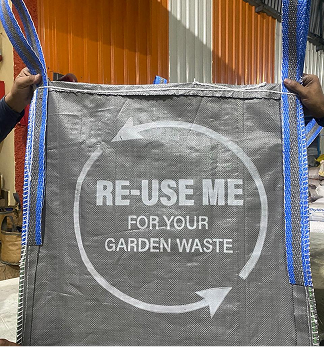
Recycling and Waste Management
- Home
- Recycling and Waste Management
BRCGS CERTIFIED
ISO 22000
Recycling and Waste Management
- The right FIBC must support safe movement, clear identification, strong containment, and practical handling across collection points, recycling facilities, warehouses, and disposal channels
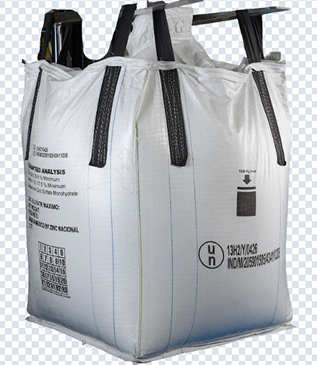
- At Shree Shakti, FIBC solutions for recycling and waste management are configured around the type of waste stream, contamination risk, particle size, sharpness, bulk density, storage condition, lifting method, and disposal or recycling route. Whether the material is recyclable plastic, dry industrial waste, construction debris, or regulated waste requiring special packaging review, the bag must be designed to keep the material contained, identifiable, and manageable throughout the handling cycle.
- Shree Shakti’s wider sustainability direction including recycled-content options, bag recycling, waste reduction and responsible manufacturing practices also supports customers looking for packaging solutions aligned with circular material movement and recovery-focused operations.
Materials Handled
Plastic Recycling Streams:
- Plastic flakes
- Regrind
- Pellets
- Shredded plastic
- Post-industrial scrap
- Post-consumer recycled material,
- Sorted plastic waste
Industrial Scrap & Dry Waste:
- Production scrap
- Offcuts
- Dry by-products
- Packaging waste
- Non-liquid industrial waste streams
Construction & Demolition Waste:
- Rubble
- Broken material
- Dry debris
- Plaster waste
- Mineral waste
- Aggregates
- Recyclable construction residues
Environmental & Recovery Materials:
- Leaves
- Grass cuttings
- landscaping waste
- Garden waste
- Nursery waste and RDF
- Biomass residues
Powdered or Fine Waste Streams:
- Dusty waste powders
- Fine industrial residues
- Mineral fines
- Filter dust
- Dry processing waste requiring containment
Regulated Waste Streams
- Hazardous or controlled dry waste materials
- Subject to classification
- Packaging review
- Certification requirements
Advance Quality Checks
SWL and safety factor confirmation
Loop strength and lifting-point inspection
Seam, stitching, and reinforcement checks
Abrasion and rough-handling suitability review
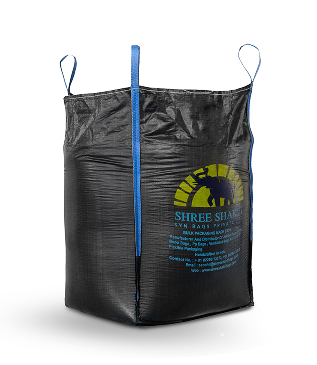
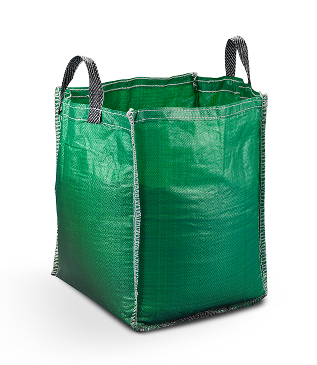
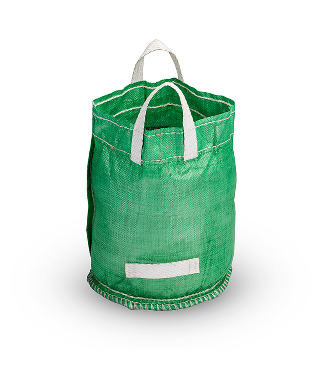
Recommended Products
Packaging Challenges
We Design Around
Mixed material behaviour
Fabric strength, bag construction, liner selection, and discharge design are matched to whether the material is flakes, scrap, powder, granules, waste pieces, or irregular bulk.
Sharp or abrasive contents
Reinforced fabric, stronger seams, suitable GSM, loop inspection, and construction choices for rougher or irregular materials.
Leakage and site contamination
Coated fabric, liners, dust-proof stitching, spout closures, and sealed discharge options for powders, fines, or contaminated dry materials.
Moisture, odour, or residue control
PE liners, barrier liners, coated fabric, closed tops, and controlled closures where the waste stream requires added containment.
Segregation of waste streams
Printed labels, colour coding, QR codes, and customer-specific marking for different grades, sources, waste types, or disposal routes.
Specialist disposal requirements
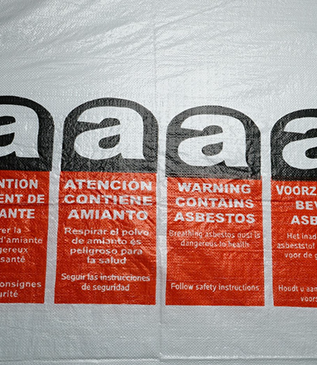
lined bags, warning labels, document pouches, sealed closures, and compliance-led packaging for asbestos, contaminated materials, or regulated waste streams.
Certifications
- ISO 9001:2015 - QMS
- ISO 14001:2015 environmental management
- ISO 45001:2018.- Occupational health and safety